
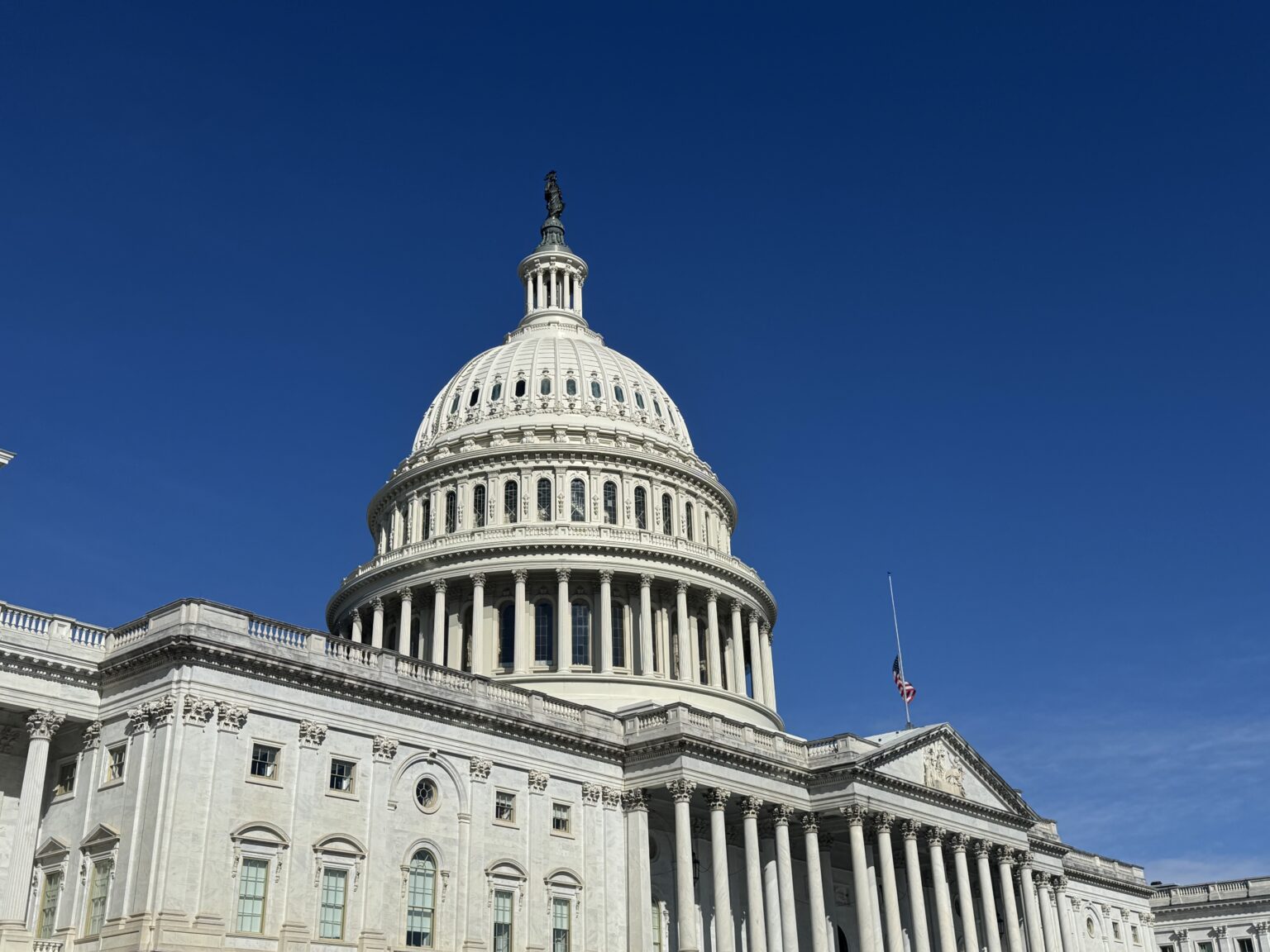
The newly enacted “One Big Ugly Bill” may sound grand, but its impact on working families and underserved communities is anything but. It slashes over $1 trillion from Medicaid and SNAP, imposes burdensome work requirements, imposes six-month eligibility redeterminations, and raises co-pays for many enrollees AP NewsWikipedia. The CBO and KFF estimate that 10–12 million Americans could lose Medicaid coverage by 2034; SNAP rolls could shrink by 3 million households AP NewsKFF.
This isn’t just a health crisis—it’s an economic one. Experts warn that every $1 billion in Medicaid cuts translates into thousands of lost jobs and billions in economic activity; in Ohio, 15,000 jobs and over $1.9 billion in economic output evaporate American Hospital AssociationInvestopedia. Economists from EPI emphasize that Medicaid reductions will shrink incomes for families in the bottom 40 percent—by as much as 7.4% for the lowest fifth—and trigger long-term damage like reduced educational and economic mobility Economic Policy Institute.
But beyond these cold figures lies a deeper urgency and, surprisingly, a path to real empowerment. When federal policy retreats, it’s up to families and local communities to fill the void. Grassroots resilience begins quietly: neighbors checking in on seniors to help with redeterminations; churches and schools turning into enrollment clinics; neighborhood groups organizing carpool childcare or sliding-scale health services. These efforts are not just acts of goodwill—they are civic investments, building social capital where policy has withdrawn.
Leading economists remind us that political capital is earned through community action. As inequality climbs, ordinary people must reassert that health care, education, housing, and decent wages are not charity—they are social infrastructure. When voters pressure governors and legislators to defend Medicaid expansion, oppose cuts to SNAP, and secure funds for community health centers, democracy works.
Empowerment happens when one family helps another remember to renew their coverage, and dozens of families speak with a single voice at town halls. True power relies on local networks—from libraries offering free workshops to small nonprofits training community health workers. These are not glamorous acts, but they strengthen civic muscles.
The bill may shrink federal protections, but it sharpens our choices. We can wait in broken silence—or we can act, organizing locally, voting purposefully, and building resilient systems from the ground up. That is how America weathers storms: not by waiting for Washington to restore what was lost, but by weaving new blankets of care ourselves, thread by thread, community by community.
In our next article we will delve into the levers that protect underserved people from the harms identified in the H.R. 1 of the 119th Congress. OBBBA.
Co-written with Samuel Shareef, Principal, MLPI
###
